Brightness
The amount of white light reflected back through the top of the diamond.

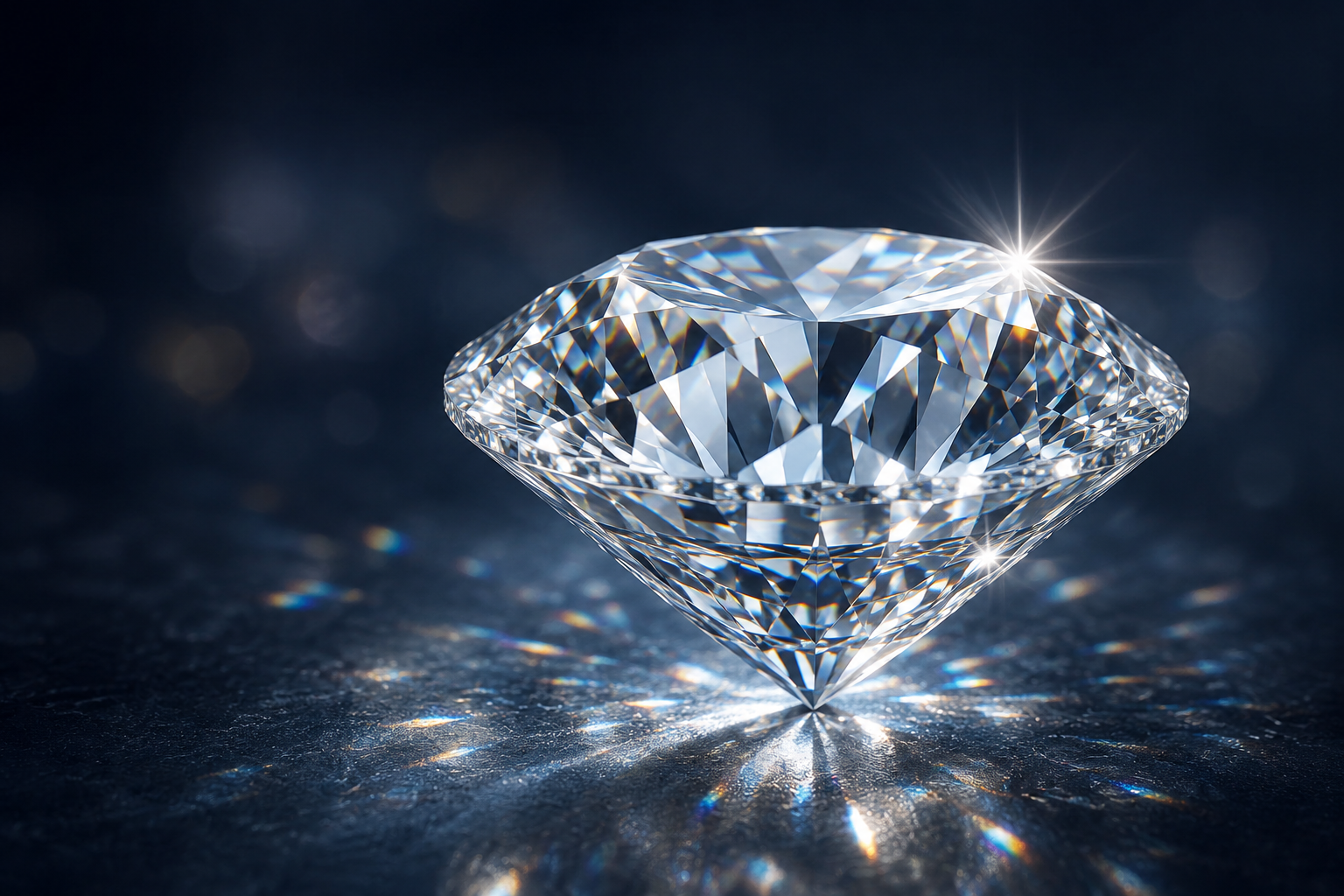
Understanding Cut, Color, Clarity and Carat helps you appreciate what makes every diamond unique.
Every diamond has its own personality. The 4Cs provide a universal framework for describing four important characteristics of a diamond.
 01
01
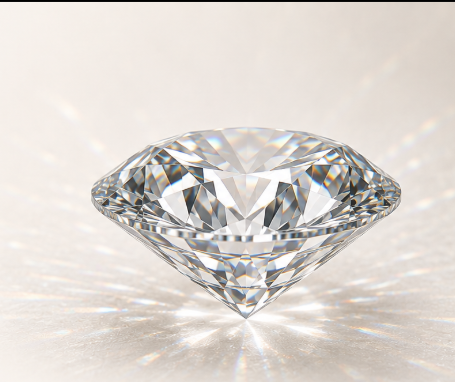
Cut refers to how well a diamond has been proportioned, polished and finished. It determines how effectively the stone interacts with light.
A well-cut diamond can return light through the top of the stone, creating brightness, fire and scintillation.
The amount of white light reflected back through the top of the diamond.
The colorful flashes of light visible when a diamond interacts with light.
The flashes of light and dark created as a diamond or observer moves.
 02
02
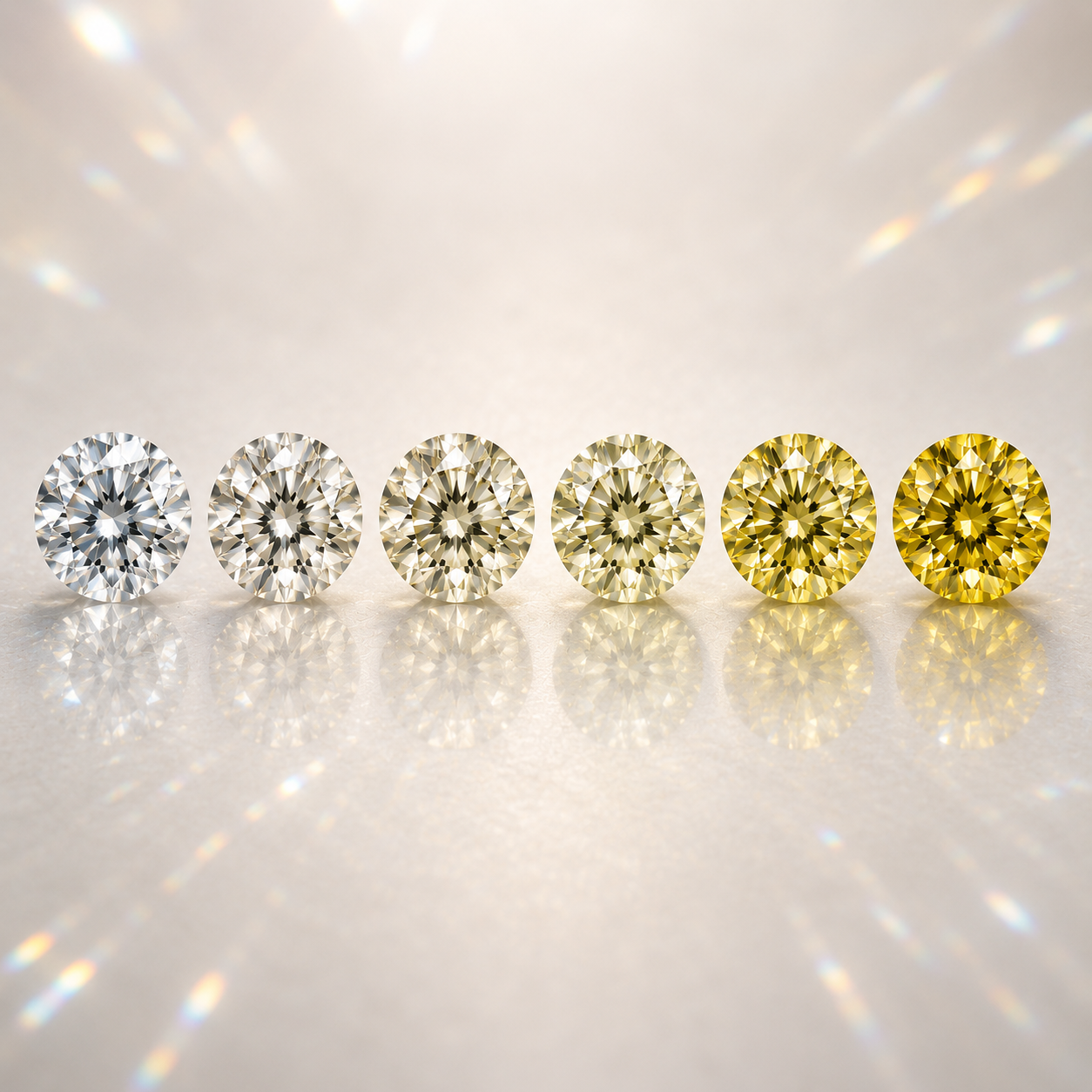
For most gem-quality diamonds, the color grading scale describes how close a diamond is to being colorless.
The less noticeable body color a diamond has, the higher it generally sits on the traditional D-to-Z scale.
 03
03
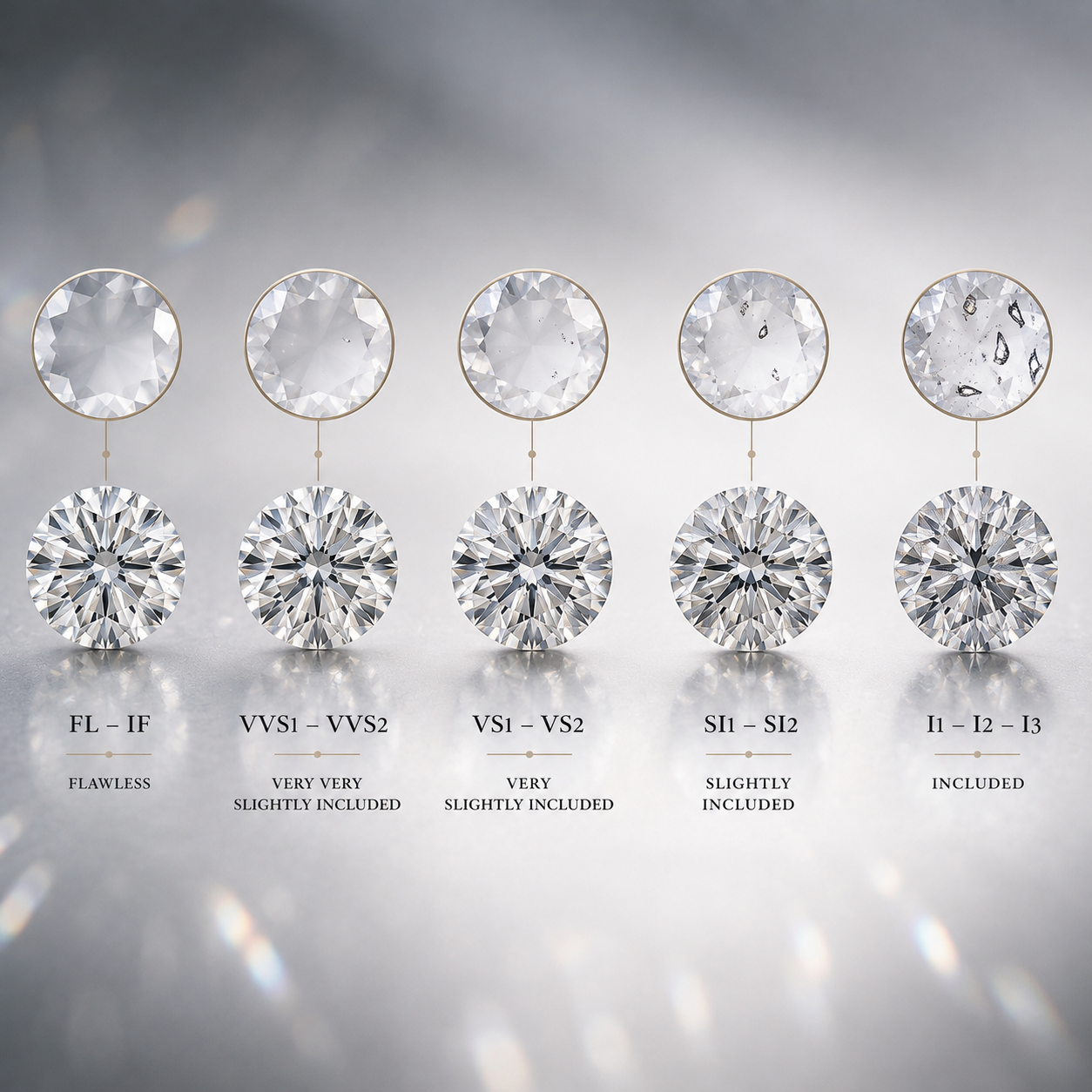
Clarity describes the presence of internal characteristics called inclusions and external characteristics called blemishes.
Grading considers the number, size, position and visibility of these characteristics under standardized viewing conditions.
Clarity grades are determined under controlled magnification conditions.
The visibility and position of characteristics influence grading.
Internal characteristics can help make every natural diamond distinctive.
 04
04
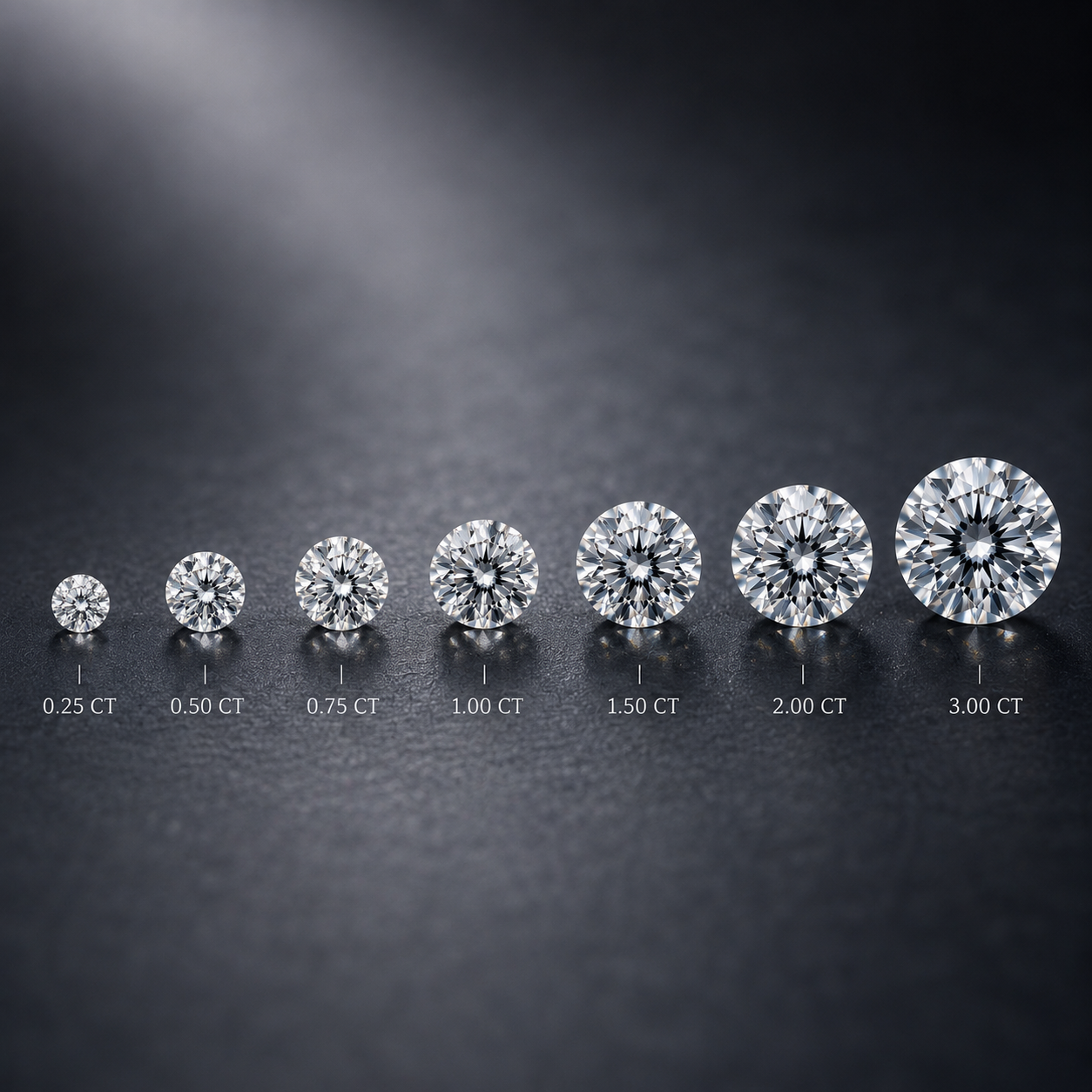
Carat refers to the weight of a diamond. One carat is divided into 100 points, allowing diamond weight to be measured precisely.
Carat weight should not be confused with visual size. Two diamonds with the same carat weight can appear different depending on their shape and proportions.
The 4Cs work together. The best diamond for you depends on how these characteristics combine with your personal preferences, jewellery design and budget.
Decide which diamond characteristics are most important to you.
Consider how the 4Cs work together rather than focusing on one number.
Personal preference is an important part of selecting a diamond.
| C | What It Means | What It Influences | Key Consideration |
|---|---|---|---|
| Cut | How well the diamond interacts with light | Brilliance and sparkle | Proportions and finish |
| Color | Degree of body color | Overall appearance | Shape and setting matter |
| Clarity | Internal and external characteristics | Visual purity | Visibility of inclusions |
| Carat | Diamond weight | Weight and potential size | Shape and proportions matter |
The importance of each C depends on your priorities. Cut is particularly important for how a diamond interacts with light, while color, clarity and carat contribute to its overall appearance.
No. Carat measures weight, not overall quality. A smaller diamond with an excellent cut can appear more brilliant than a larger diamond with weaker proportions.
Cut affects how effectively the diamond reflects and returns light, influencing brightness, fire and scintillation.
Not necessarily. The ideal clarity grade depends on the diamond's characteristics, shape and how visible its inclusions are.
There is no universal order. Your choice can depend on the diamond shape, metal, desired appearance and personal priorities.
Continue exploring diamonds and discover the characteristics that matter most to you.