01
Deep Within Earth
Carbon exists deep within the Earth's mantle under extremely high pressure and temperature.


From their remarkable origins to the details that determine their beauty, discover everything you need to know about diamonds.
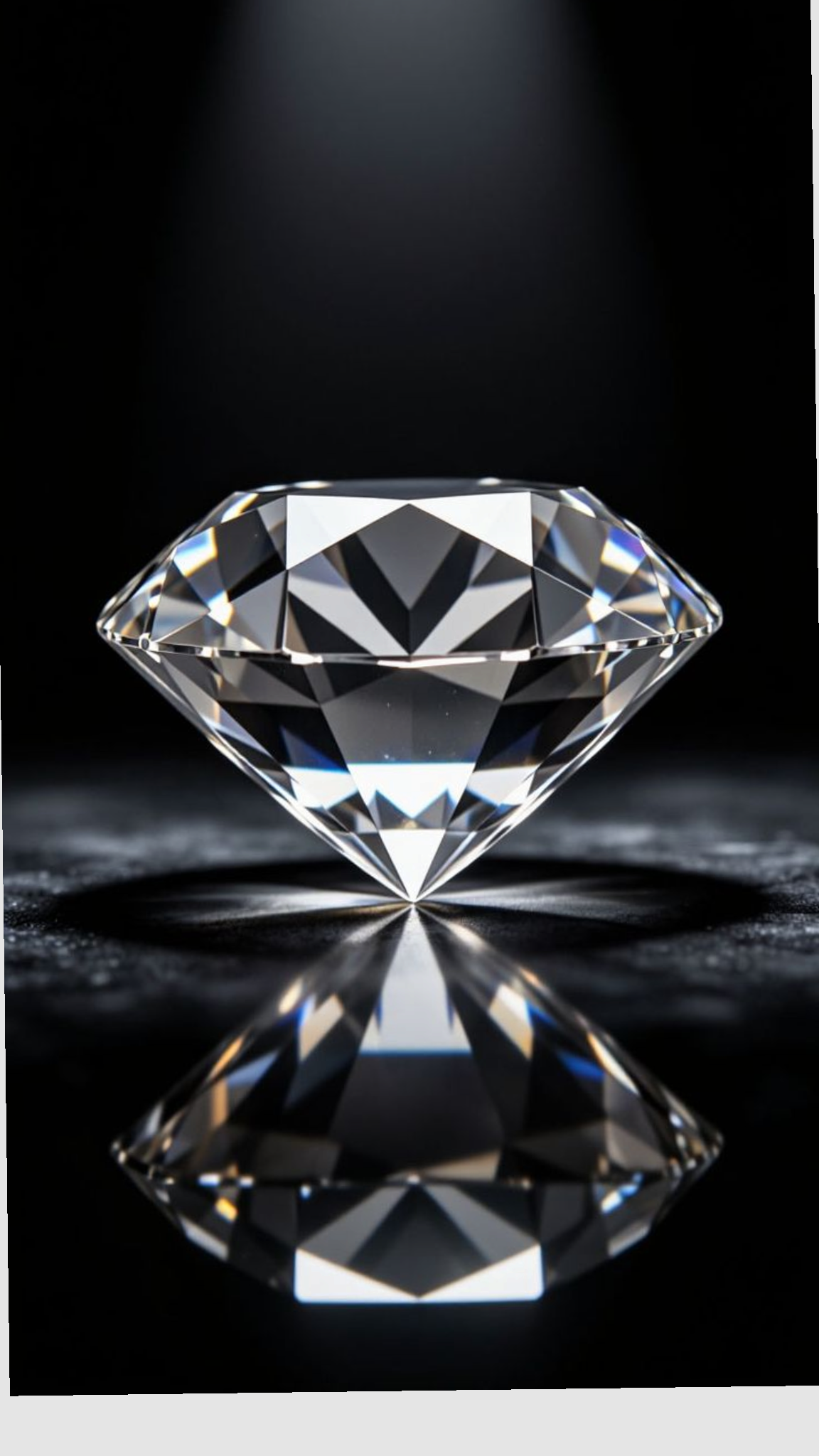
A diamond is a crystalline form of carbon formed under extraordinary conditions deep within the Earth. Its unique crystal structure gives it exceptional hardness and the ability to interact with light in extraordinary ways.
Every diamond is different. Its proportions, color, clarity and weight combine to create an individual character that makes each stone unique.
Natural diamonds form under extraordinary conditions deep beneath the Earth's surface and can take immense amounts of time to reach the surface.
Carbon exists deep within the Earth's mantle under extremely high pressure and temperature.
Intense pressure and heat allow carbon atoms to arrange themselves into the distinctive diamond crystal structure.
Volcanic activity transports diamond-bearing rocks toward the Earth's surface.
Once discovered, rough diamonds are carefully evaluated before being cut and polished.
Both natural and laboratory-grown diamonds are made of crystallized carbon. Understanding their origins can help you make an informed choice.
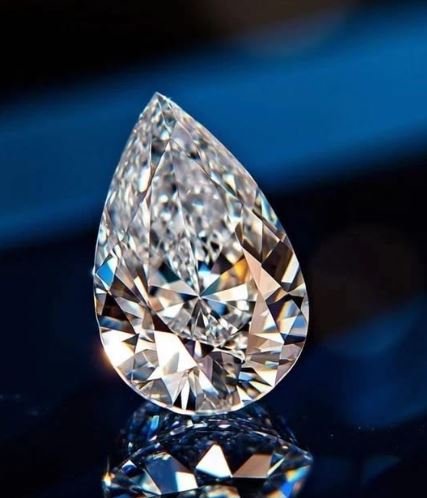
Natural diamonds formed through geological processes deep within the Earth over very long periods of time.
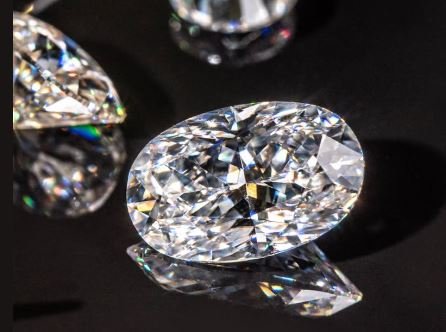
Laboratory-grown diamonds are created using advanced technology that reproduces the conditions required for diamond formation.
A polished diamond is made up of several carefully proportioned areas, each playing an important role in how the stone interacts with light.
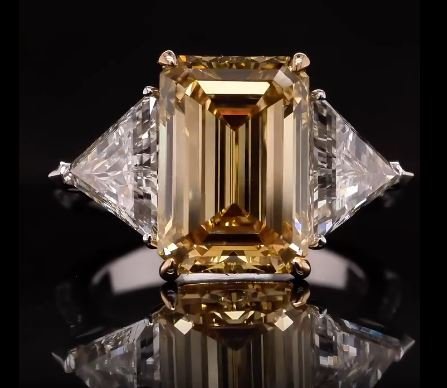
The largest facet on the top of a polished diamond.
The upper section between the table and girdle.
The outer edge separating the crown from the pavilion.
The lower portion of the diamond extending toward the culet.
The small facet or point at the bottom of the diamond.
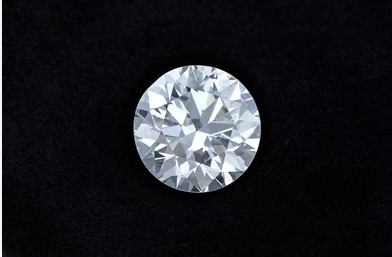
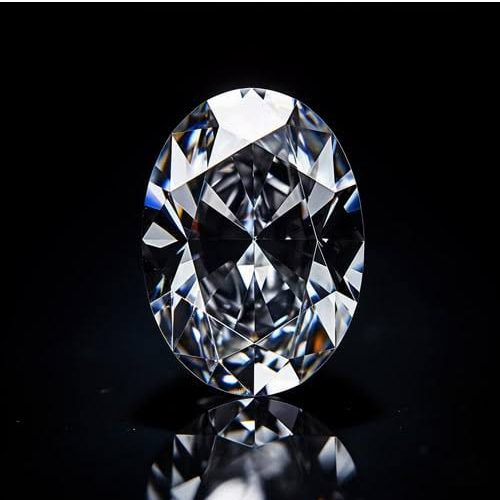
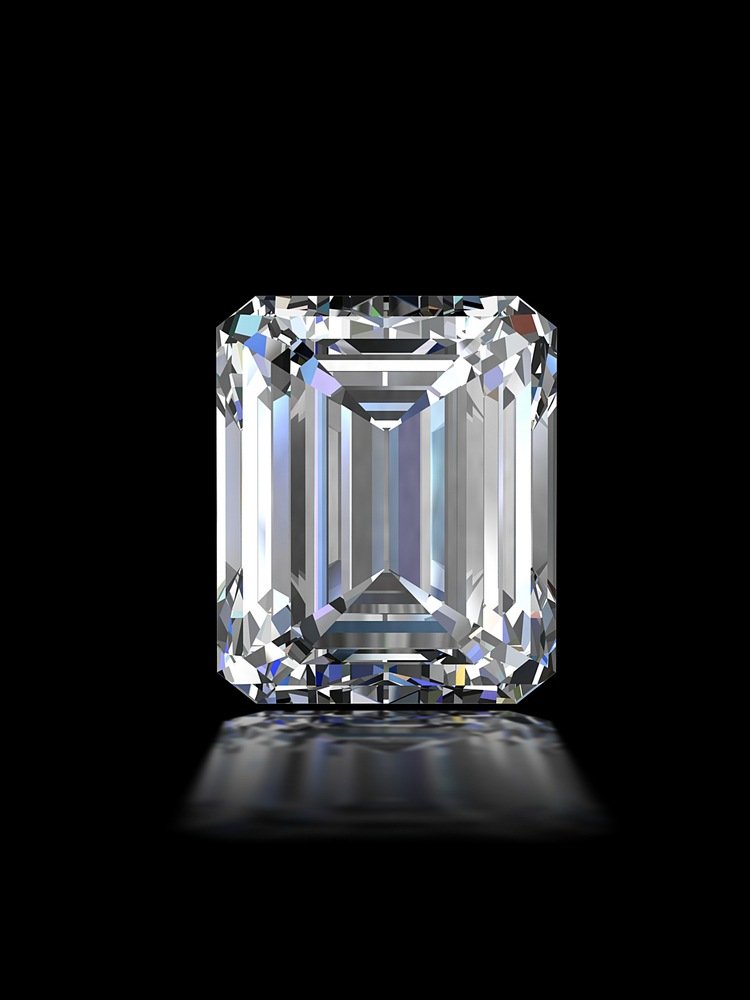
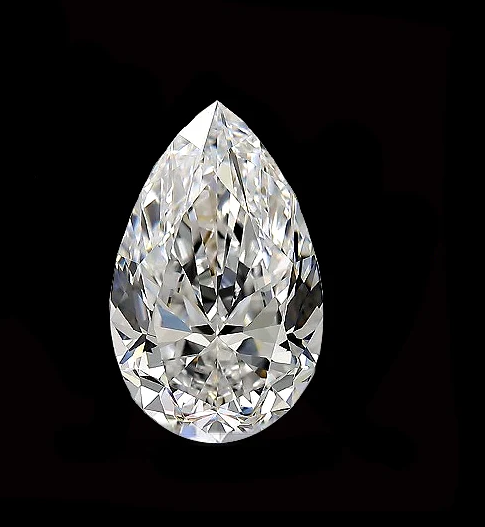
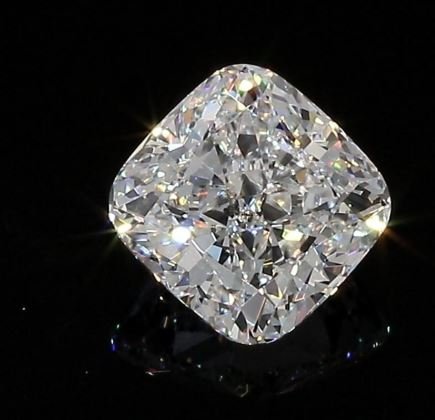
The shape of a diamond influences its personality, proportions and overall visual character.
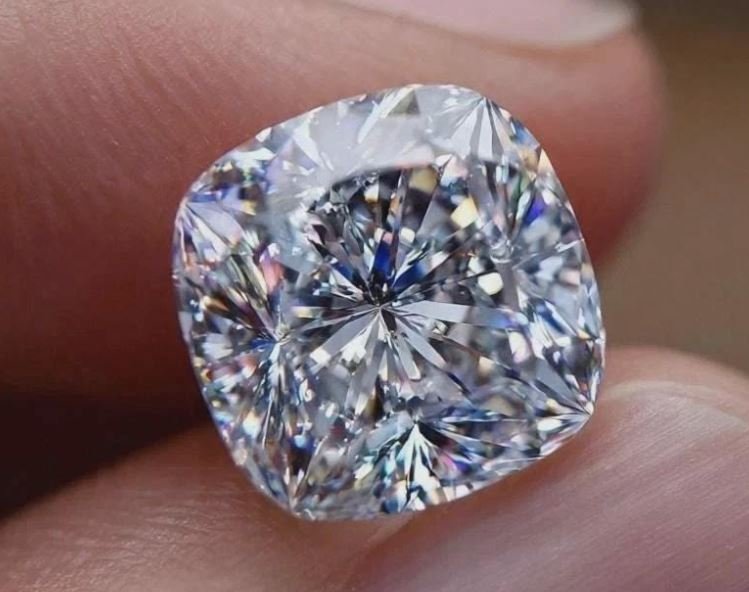
The 4Cs are Cut, Color, Clarity and Carat. Together they describe key characteristics of a diamond.
Shape refers to the outline or form of a diamond, while cut refers to how well a diamond's facets interact with light.
A grading report provides an independent assessment of important characteristics of a diamond.
Regular gentle cleaning, safe storage and periodic professional inspection can help maintain your jewellery.
Explore our complete diamond guides and discover jewellery designed around exceptional stones.